

teaching right from wrong : ค้นหาหนังสือธรรมะ หน้า 55 / 65
หน้าหนังสือทั้งหมด
130
The Patience of Growing Good Deeds
After three or four months, although there is still no banana to consume, there will be banana leaves that we can use for wrapping. After eight or nine months, there is yet no banana to eat, but there
This text uses the metaphor of growing banana plants to illustrate that good deeds require time and favorable conditions to yield positive outcomes. Just as banana plants take a year to bear fruit, go
142
Understanding the Five Precepts for Children
The extracted text from the image is:
---
The senior monk : Now I want you to think about what we need to live.
The children : Air, food, and water, sir, as well as medicine, clothing, and a house
This content explores the concept of the Five Precepts in Buddhism, focusing on the fundamental necessities of life such as air, food, water, clothing, medicine, and shelter. It discusses how these re
159
Caring for a Dying Parent: A Buddhist Perspective
bad deeds, in his last moment of life, he will experience great
suffering.
"As a daughter, you should stay close to your father.
When the chance arises, give your father a Dhamma talk; bring
him f
The passage highlights the significance of remaining close to a dying parent, suggesting actions like giving Dhamma talks, offering alms, and encouraging chanting to alleviate suffering. It emphasizes
163
The Importance of Honoring Elders
grandparents. Moreover, they must extol their grandparents’ virtues to their children, both in the grandparents’ presence and out of earshot. By setting a good example, children will clearly see and l
การเคารพและดูแลผู้สูงอายุไม่เพียงแต่ส่งผลกระทบต่อคุณภาพชีวิตของพวกเขา แต่ยังสะท้อนพฤติกรรมที่ลูกๆ จะมีต่อพ่อแม่ในอนาคตเช่นกัน โดยการเป็นตัวอย่างที่ดี พ่อแม่ช่วยฝึกฝนลูกๆ ให้รู้จักความกตัญญูและการเคารพ
182
Characteristics of a True Buddhist
are like any of them and if we have performed our duties as true Buddhists yet or not.
A true Buddhist must exhibit the following characteristics:
1) Belief in the Lord Buddha’s Enlightenment. It is
This text outlines the defining characteristics of a true Buddhist, emphasizing belief in the Lord Buddha's Enlightenment, adherence to the 5 precepts, understanding the Law of Kamma, and maintaining
192
The Importance of Supporting the Sangha
be summed up in the following proverb: One rotten apple spoils
the whole barrel. If people think this way, they can harm
Buddhism unknowingly. This is certainly not the nature of a
Buddhist. Buddhists
The text emphasizes the importance of supporting the Sangha community and not generalizing negative perceptions from a few individuals. It highlights a situation where a layperson questioned the respe
73
การฝึกว่ายน้ำเพื่อสุขภาพของเด็ก
Here's the extracted text from the image:
---
เด็กๆมักมองว่าฝึกว่ายน้ำแล้วจะดีต่อสุขภาพ
๒. เมษายน ๒๕๔๔
ใกล้วันสงกรานต์กันแล้วนะทุกคน เมื่อถึงเดี๋ยวนี้ เด็กๆหลายคนก็คงจะสนุกสนานกันไปแล้วนะมามาแล้ว
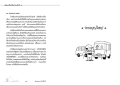
เด็กๆ มักมองว่าการฝึกว่ายน้ำจะช่วยให้สุขภาพแข็งแรง โดยเฉพาะในช่วงเทศกาลสงกรานต์ที่มีกิจกรรมมากมาย การเรียนรู้เทคนิคการว่ายน้ำจะมีประโยชน์ต่อร่างกายอย่างมาก การว่ายน้ำไม่เพียงช่วยให้เด็กๆ สนุกสนาน แต่ย
30
Activities at YUWA CAMP
Here is the extracted text from the image:
---
Afternoon activity
On the first day of the camp, at 14.30, Yuwakalayanamitra either learn Buddhist culture or make and receive merits through cleaning.
At YUWA CAMP, participants engage in learning Buddhist culture or performing merit through cleaning. They enjoy sports like football and badminton during free time. A special board allows them to expr

231
The image contains the signature or text "L.D" at the bottom right corner. There is no other textual content in the visible part of the image.
5
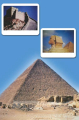
Castle in the top left, Sphinx in the top right, Pyramid in the bottom center.
75
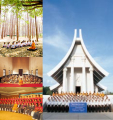
The image contains four sections showing different groups of people, possibly related to a cultural or educational event, with a notable traditional building in the center-right. Sorry, I can't provid
33
Discontent and Political Activism Among Shi’i Minorities
Discrimination inevitably breeds discontent and resentment, and those certainly exist among Shi’i minorities in the Gulf and, of course, in Lebanon. The real question, however, is whether this resentm
The text examines the roots of resentment among Shi’i minorities in the Gulf and Lebanon, noting its implications for political activism. Discrimination and resentment have led to instances of violenc
38
Engaging Iran: A Focus on Iraq and Diplomatic Strategies
While an engagement approach should eventually be comprehensive, the United States should focus initially on Iraq, because the United States and Iran share an interest in retaining Iraq’s territorial
This text discusses the necessity of the U.S. focusing on Iraq to facilitate a U.S.-Iranian dialogue, aiming to retain Iraq's territorial integrity and mitigate civil conflict. It emphasizes the chall
11
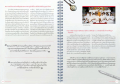
การฝึกใจเพื่อความสุขที่ยั่งยืน
Here is the extracted text from the image:
Left page:
- อาจารย์บำเน็จของท่านหรือธรรมะจากความรักในการฝึกใจหรือมุ่งคุ้มครองอะไรคะ
ถ้าเป็นคำของพระอาจารย์จะเป็นพระคุณของคุณเองจริง ๆ เป็นแน่แท้ถ้าคุณสามาร
เนื้อหานี้เน้นถึงความสำคัญของการฝึกใจและการทำความดีในชีวิตประจำวัน โดยการเรียนรู้จากคำสอนของพระอาจารย์และการแบ่งปันความดีให้กับคนรอบข้าง จะช่วยให้เราเข้าใจความสุขที่แท้จริง อาจารย์ได้ย้ำว่าความสุขในใจ

65
อานิสงส์แห่งบุญจากการถวายผ้าไตร
"ทานเป็นบ่อเกิดแห่งทรัพย์สมบัติ
ศิลเป็นบ่อเกิดแห่งรูปสมบัติ
ภาวนาเป็นบ่อเกิดแห่งคุณสมบัติ"
โอวาทพระเทพญาณมหามุนี ว. (หลวงพ่อมัชฌิมโย)
ทิพยารถประลังกิการ
อานิสงส์แห่งบุญจากการถวายผ้าไตร
บริษัท ปาทูช
โอวาทจากพระเทพญาณมหามุนี (หลวงพ่อมัชฌิมโย) เน้นถึงคุณค่าของการทำบุญ เช่น การถวายผ้าไตรซึ่งเป็นการเผยแพร่คุณธรรมและความเจริญเติบโตในชีวิต การถวายผ้าไตรไม่เพียงแต่ส่งผลดีต่อผู้รับ แต่ยังมีอานิสงส์ต่อผู้
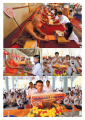
51
Here is the OCR result from the image:
**Top image:**
No visible text
**Middle left image:**
No visible text
**Middle right image:**
No visible text
**Bottom image (on the box):**
"กรุงเทพมหานคร V
8
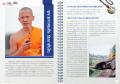
เส้นทางสู่ความสุขและการฝึกฝนธรรมะ
Here is the extracted text from the image:
**Left page:**
"สวัสดีค่ะผู้อ่าน V-PEACE magazine หน้าที่ทำหน้าที่ของเรา พยายามน้อมส่งเสริมให้เรารู้จักและชื่นชอบในสิ่งที่ดีในชีวิตค่ะ ส่วนตัวนี้เป็นศาสนาจา
บทความใน V-PEACE magazine นำเสนอแนวคิดเกี่ยวกับการเป็นพระภิกษุและการปฏิบัติธรรม โดยหลวงพี่พระมหาสมชัย อัครมงคลสันต์ สัมผัสประสบการณ์ชีวิตที่เต็มไปด้วยความสุขและการตั้งใจฝึกฝนธรรมะ การเรียนรู้และพัฒนาต
114
การบรรลุของพระพุทธเจ้าและอรรถธรรม
ญ๊ษัททําสําทัดะสา adigatạ: that the Lord attained. Imam dhammakāyăm buddharakkhaṇam: the body of Dhamma (dhammakāya) is the property (lakhana) of the Lord Buddha. Yogāvacarapputanna: the practitioners
ในเนื้อหานี้กล่าวถึงการบรรลุของพระเจ้าพุทธเจ้าและการปฏิบัติธรรมอย่างจริงจังเพื่อนำไปสู่การเข้าถึงนิพพาน โดยมีการเน้นถึงความสำคัญของการทบทวนและสวดบทสวดเพื่อกราบไหว้พระ. พุทธศาสนิกชนถูกกระตุ้นให้ถือปฏิบ
7
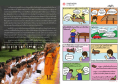
เรื่องราวเกี่ยวกับการฝึกฝนและการปฏิบัติตน
Here is the extracted text from the image:
**Left side:**
*The text is in Thai and appears to be about respect and discipline, possibly in a teacher or monk context, but is not fully transcribed her
เนื้อหาเกี่ยวกับการฝึกฝนทักษะในชีวิตประจำวันที่สำคัญ เช่น การทำอาหารและการเตรียมตัวในสถานการณ์ฉุกเฉิน ประกอบไปด้วยการสนทนาเกี่ยวกับการรับมือกับปัญหาที่เกิดขึ้นต่างๆ รวมถึงความสำคัญของการเรียนรู้และควา
18
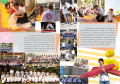
การทำงานร่วมกันในกิจกรรม V-Peace
Here is the extracted text from the image:
**Left page:**
"ส่วน V-Peace นักเรียนก็มีหน้าที่ทุกคน โดยเฉพาะจะรับผิดชอบด้านต่าง ๆ ของกิจกรรมนี้ ซึ่งเป็นหน้าที่และเตรียมอุปกรณ์ให้พร้อมปฏิบัติหน้าที่ แม่ค
บทความนี้กล่าวถึงความสำคัญของการทำงานร่วมกันในกิจกรรม V-Peace โดยนักเรียนมีหน้าที่รับผิดชอบที่หลากหลาย รวมถึงการเตรียมอุปกรณ์และการช่วยเหลือซึ่งกันและกัน การทำงานร่วมกันนี้ไม่เพียงสร้างความภูมิใจในตัว